As a parent, noticing that your baby is struggling to feed, having trouble latching, or making clicking sounds while nursing can be stressful. In many cases, these challenges may be linked to a condition called tongue tie. Understanding tongue tie treatment can help parents make informed decisions and support their child’s healthy growth and development.
What Is Tongue Tie?
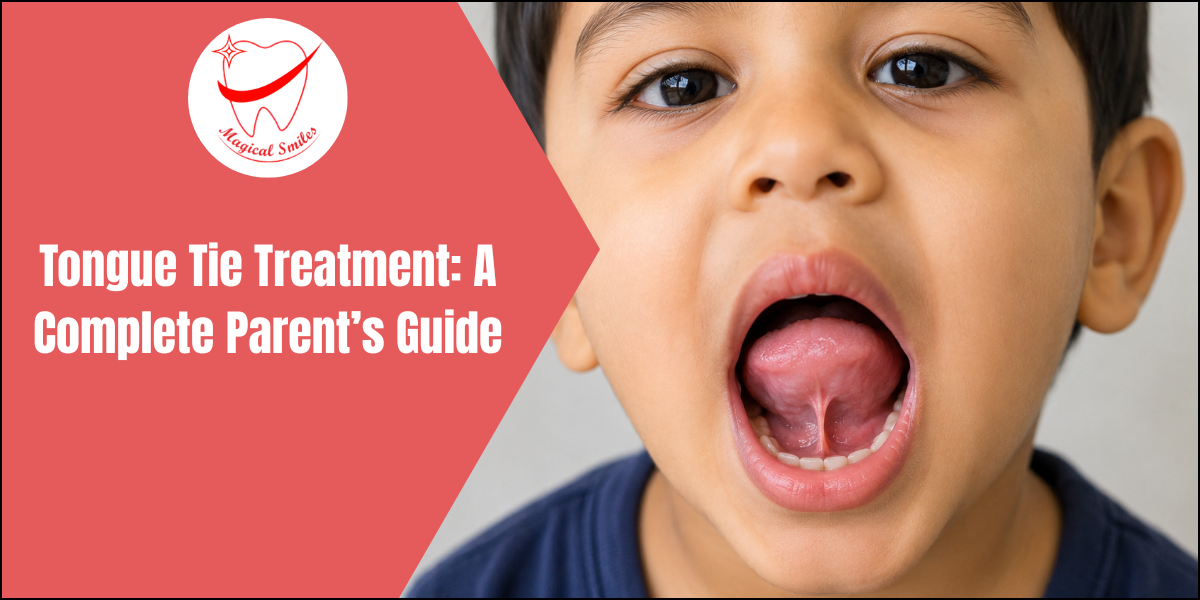
Tongue tie, medically known as ankyloglossia, is a condition present at birth where the thin band of tissue under the tongue (called the frenulum) is shorter, tighter, or thicker than usual. This restricts the tongue’s movement and can affect feeding, speech, and oral development.
Some babies have mild tongue tie with little impact, while others may experience significant difficulties that require treatment.
Common Symptoms of Tongue Tie
The symptoms of tongue tie can vary depending on the severity of the condition and the child’s age.
In Babies
- Difficulty latching during breastfeeding
- Clicking sounds while feeding
- Poor weight gain
- Long feeding sessions
- Fussiness during feeding
- Mother experiencing nipple pain while breastfeeding
In Toddlers and Children
- Delayed speech development
- Difficulty pronouncing certain words
- Trouble eating solid foods
- Difficulty licking lips or ice cream
- Gaps between lower front teeth
In Adults
- Speech difficulties
- Limited tongue movement
- Oral hygiene challenges
- Jaw tension or discomfort
How Is Tongue Tie Diagnosed?
Tongue tie is usually diagnosed through a physical examination. A healthcare provider will evaluate:
- Tongue movement
- Feeding difficulties
- Speech patterns
- Appearance of the frenulum
For infants, lactation consultants may assess breastfeeding effectiveness before recommending treatment.
Early diagnosis is helpful because untreated tongue tie may lead to feeding and speech challenges later in life.
Tongue Tie Treatment Options
There are different tongue tie treatment options depending on the age of the patient and the severity of the condition.
1. Observation and Support
For mild tongue tie, healthcare providers may recommend:
- Lactation support
- Feeding techniques
- Speech therapy
- Regular monitoring
Many babies adapt well with professional guidance.
2. Frenotomy
A frenotomy is the most common tongue tie treatment for babies. It is a quick and simple procedure where the tight frenulum is snipped to release tongue movement.
What Happens During the Procedure?
- The baby is swaddled gently
- Sterile scissors or a laser are used
- The procedure usually takes only a few minutes
- Most babies can feed immediately afterward
3. Laser Tongue Tie Treatment
Laser tongue tie treatment has become increasingly popular because it is precise and minimally invasive.
4. Frenuloplasty
In more severe cases, especially for older children or adults, a frenuloplasty may be recommended. This surgical procedure involves releasing the frenulum and repairing the tissue with stitches if needed.
Recovery After Tongue Tie Treatment
Recovery is generally quick, especially in infants.
Aftercare Tips
- Breastfeed immediately after the procedure
- Follow tongue exercises recommended by the doctor
- Keep the area clean
- Attend follow-up appointments
Some babies may be fussy for a short period, but most recover quickly within a few days.
Book Expert Tongue Tie Treatment in Hadapsar
If your child is facing breastfeeding difficulties, speech issues, or restricted tongue movement, early diagnosis and proper care can make a big difference. At Dr. Lahane’s Kids Dental Clinic, parents receive compassionate and specialized pediatric dental care tailored for infants and children.
Led by Dr. Rohini Lahane, the clinic offers safe and advanced Tongue Tie Treatment using modern techniques designed for your child’s comfort and faster recovery.
Frequently Asked Questions About Tongue Tie Treatment
1. Is tongue tie treatment painful?
Most babies experience very little discomfort. Older children and adults may feel mild soreness for a few days.
2. How long does recovery take?
Infants often recover within 24–48 hours, while older patients may take up to a week.
3. Can tongue tie come back after treatment?
In some cases, the tissue may reattach if proper aftercare exercises are not followed.
4. Is laser tongue tie treatment better?
Laser treatment offers advantages like reduced bleeding and faster healing, but the best option depends on the individual case.